


Colorectal cancer is one of the most preventable cancers when precancerous polyps are found and removed before they become cancer.
At UT Health San Antonio Multispecialty and Research Hospital, Texas’ first Master Endoscopist, Prabhleen Chahal, MD, MASGE, is using AI-assisted colonoscopy to detect polyps that could be too difficult to see during a routine colonoscopy.
Connected to the National Cancer Institute-designated Mays Cancer Center, UT Health San Antonio Multispecialty and Research Hospital combines advanced technology with the expertise of leading gastroenterologists to provide comprehensive colorectal cancer screening, prevention and treatment close to home.
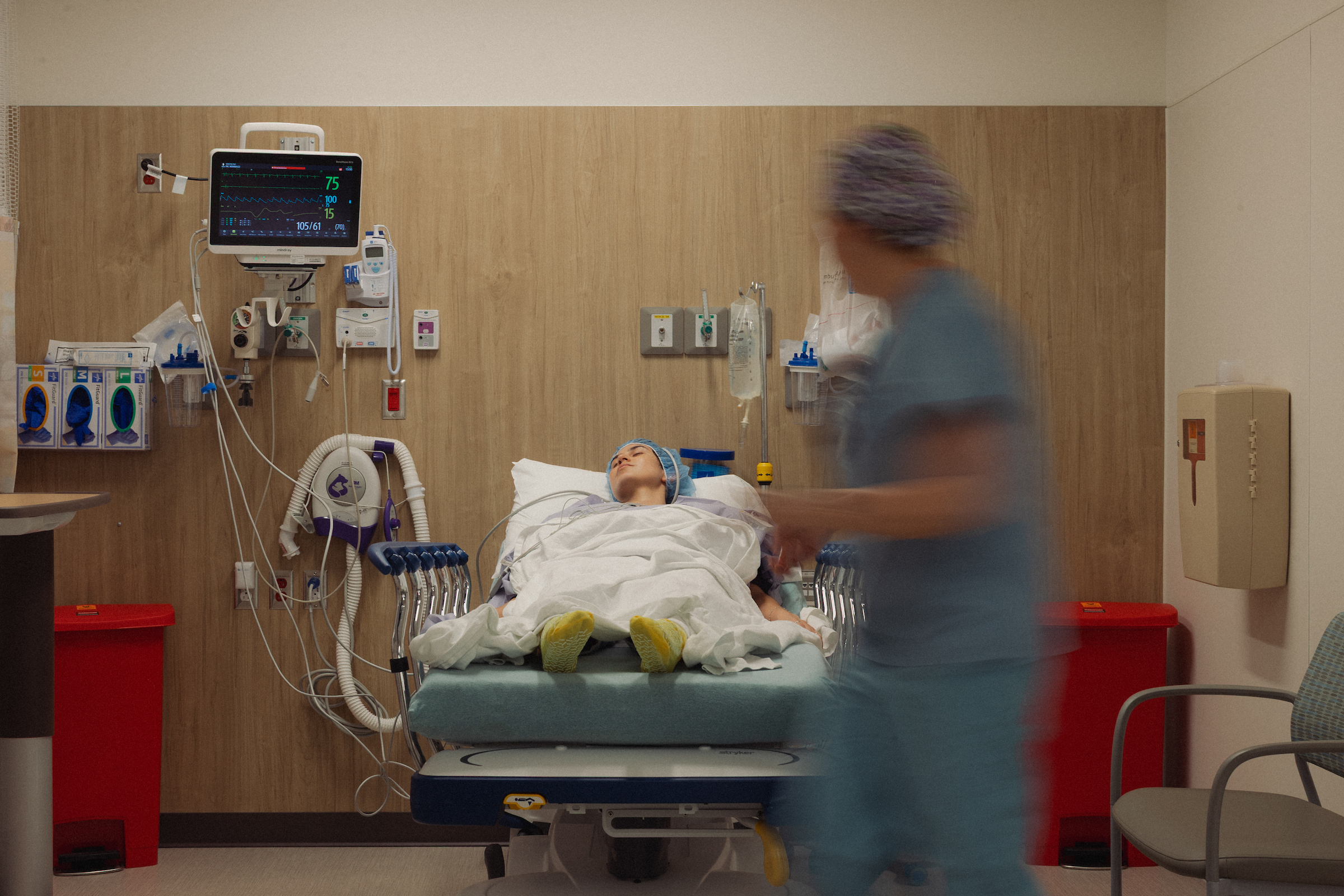
During a colonoscopy at UT Health San Antonio Multispecialty and Research Hospital, artificial intelligence works alongside the physician as an additional set of eyes, analyzing the colon in real time and highlighting areas that may need a closer look. The technology does not replace the physician's expertise or make treatment decisions. Instead, it helps support polyp detection so precancerous growths can be found and removed as early as possible.
Both, colon cancer and rectal cancer (colorectal cancer), often develop without symptoms. Routine screening through colonoscopy is the most effective way to help prevent colorectal cancer. Most adults with an average risk for colon cancer should schedule their first colonoscopy at age 45, while others may need to begin colonoscopies earlier based on their personal or family medical history.
If you are due for colorectal cancer screening, schedule an AI-assisted colonoscopy at UT Health San Antonio, where experts are using advanced technology to help find polyps that may otherwise be easy to overlook. It’s an important step in protecting your health and helping prevent cancer.
Explore More
- Learn more about an AI-assisted colonoscopy
- Learn more about colorectal cancer screening and scheduling a colonoscopy
- Meet our Advanced Interventional Gastroenterology team
- Texas’ first Master Endoscopist is a UT Health San Antonio gastroenterologist
- Our doctors provide new hope for pancreatic cancer patients